
What is vertebral body tethering (VBT)?
Vertebral body tethering (VBT) is a modern, growth-friendly surgical option for adolescents with idiopathic scoliosis who are still growing. Unlike traditional spinal fusion, which permanently joins sections of the spine, VBT uses a strong but flexible cord to guide the spine into a straighter position as your child grows—helping preserve natural movement and flexibility.
Many families consider VBT so their child can continue activities they love, such as swimming, gymnastics, or dance, without permanently restricting spinal motion.
Who is a suitable candidate for VBT surgery?
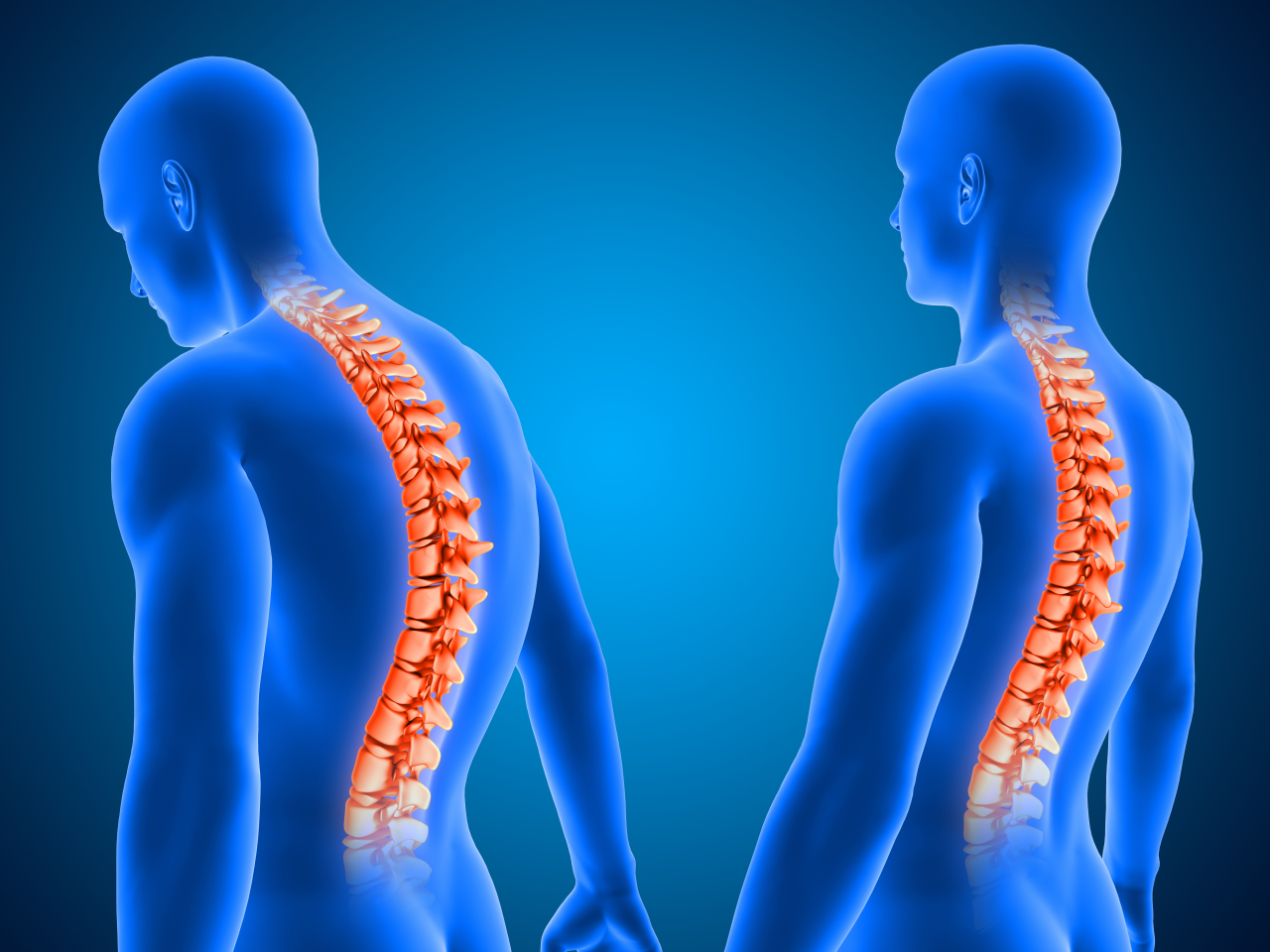
VBT is intended for skeletally immature children and teenagers with progressive idiopathic scoliosis who meet specific medical criteria. Vertebral body tethering in Turkey is generally considered in the following situations:
- Are still growing
- Have idiopathic scoliosis with a moderate spinal curve
- Show sufficient curve flexibility on imaging
- Have bone quality suitable for secure implant placement
However, VBT is not suitable for every scoliosis patient. Children who are fully grown, have weak bone density, active infection, prior surgery at the affected spinal levels, or certain medical conditions may not be candidates.
A definitive decision can only be made after careful review of X-rays and clinical evaluation by an experienced spine surgeon.
Important information for families
VBT is performed using a medical device classified as a Humanitarian Use Device (HUD). This means it is intended specifically for growing patients with progressive idiopathic scoliosis who meet defined medical criteria.
While clinical experience and studies suggest meaningful benefits for carefully selected patients, the effectiveness of this device for the stated indication has not been formally established, and results can vary from one child to another. Outcomes depend on factors such as remaining growth, curve flexibility, bone quality, and commitment to follow-up care.
The information on this page is designed to help families understand their options, but it cannot replace a full medical evaluation. A spine specialist must assess each patient individually to determine whether VBT is appropriate.
How is vertebral body tethering performed in Turkey?
During VBT surgery in Turkey, small incisions are made along the side of the chest. Biocompatible titanium alloy screws are placed into the vertebrae along the outer edge of the curve, and a flexible medical-grade cord is gently tensioned between them. Over time, as your child grows, this controlled tension helps guide the spine into a straighter alignment—without permanently locking it in place.
Because growth plays an essential role in correction, ongoing follow-up is an important part of treatment until skeletal maturity is reached.
What are the benefits of vertebral body tethering surgery?
Compared with traditional spinal fusion, VBT surgery may offer:
- Preservation of spinal movement
- Smaller incisions and reduced muscle disruption
- A quicker return to everyday activities for many patients
- Avoidance of permanent fusion in appropriately selected cases
It is important to understand that VBT is a newer technique than fusion, and long-term outcomes continue to be monitored as patients reach adulthood.
Recovery after VBT surgery
Recovery after VBT surgery for scoliosis varies from child to child. Most patients stay in the hospital for a few days to a week and then continue to recover at home in the following weeks.
While many patients can return to school and light daily activities relatively quickly, the return to sports and physical activities occurs gradually over several weeks. Pain medication is usually needed for a short period, often one to two weeks.
Regular follow-up appointments are essential to monitor spinal development and ensure the best possible long-term outcome. Six weeks after VBT surgery, our specialist will assess your child's progress and provide personalized guidance.
A note on costs and travel arrangements of VBT surgery
Any quoted prices or treatment packages are indicative and may change depending on individual medical findings and surgical needs. Non-medical services such as accommodation, airport transfers, or concierge support are provided for convenience and are separate from the medical treatment itself.
Final medical information notice
The content on this page is intended to help families better understand Vertebral Body Tethering and scoliosis treatment options. It should not be considered medical advice or a substitute for consultation with a qualified healthcare professional. Final treatment decisions must always be made in partnership with your child's treating physician.
FAQs about Vertebral Body Tethering (VBT)
What is scoliosis, and why does it need treatment?
Scoliosis is a condition where the spine curves sideways, often forming an "S" or "C" shape when seen on an X-ray. In many children, especially those who are still growing, the curve can gradually worsen over time.
If left untreated, progressive scoliosis may lead to visible imbalance, back discomfort, and in more severe cases, reduced lung capacity. Treatment aims to stop curve progression and improve spinal alignment, helping children stay healthy and active as they grow.
How is VBT different from traditional spinal fusion?
Traditional spinal fusion corrects scoliosis by permanently joining sections of the spine using rigid rods and bone grafts. While effective, this limits movement in the fused area.
VBT, on the other hand, uses a flexible cord to guide spinal growth. The spine is not fused, allowing it to retain movement at the treated levels. Because VBT relies on growth, it is only suitable for children and adolescents who still have growth remaining.
| Feature | VBT | Traditional Spinal Fusion |
|---|---|---|
| Core goal | Correct curve & keep motion | Permanently stabilize spine |
| How it works | Flexible cord + screws guide growth | Rods + screws + bone graft create solid fusion |
| Ideal candidate | Growing kids (10–16 y) with 35–65° flexible curves | Severe or rigid curves / growth complete |
| Hospital stay | 3–4 nights | 4–6 nights |
| Return to sport | 3–6 months (no permanent limits) | 6–12 months, some lifelong restrictions |
| Long-term outcome | Spine remains flexible; monitored until mature | Definitive, permanent correction |
Is VBT an approved and safe procedure?
The device used for VBT is classified as a Humanitarian Use Device (HUD). This designation allows its use in specific scoliosis cases where traditional options may not be ideal.
Clinical experience suggests that VBT can be beneficial for appropriately selected patients, but the effectiveness of the device for its intended indication has not been formally established. As with all surgical treatments, careful patient selection and long-term follow-up are essential.
How active can my child be after vertebral body tethering?
Activity levels increase gradually after VBT surgery in Turkey. Light daily activities are usually encouraged early, while sports and more demanding physical activities are reintroduced over time.
Return to sports or exercise must be approved by the treating physician. Healing speed, spinal growth, and follow-up imaging all play a role in determining when activities can safely resume.
When can my child return to school after vertebral body tethering in Turkey?
Many children return to school approximately two to four weeks after VBT surgery in Turkey, depending on recovery and comfort. This timeline can vary, and your doctor will advise what is appropriate for your child.
What if my child has pain after surgery?
Some discomfort is normal in the early recovery period. Pain is managed with medication and usually improves steadily. If pain persists or worsens, families are encouraged to contact their medical team for advice.
What are the possible risks of VBT?
As with any surgery, VBT carries potential risks. These may include:
- Over-correction or under-correction of the curve
- Loss of correction as growth continues
- VBT Cord or implant wear, loosening, or breakage
- Lung-related complications due to chest surgery
- Infection, bleeding, nerve irritation, or anesthesia-related risks
In some cases, additional surgery may be needed in the future. Your surgeon will discuss these risks in detail so you can make an informed decision.
What happens if the VBT cord breaks or loosens?
In some cases, the VBT cord may loosen or break over time. If the spinal curve remains stable, no further treatment may be needed. If the curve worsens, revision surgery or an alternative treatment—such as spinal fusion—may be recommended.
Can my child walk through airport security or metal detectors?
Yes. The implants used in VBT are typically made from biocompatible titanium alloy, which does not usually trigger airport metal detectors. Your medical team can provide documentation if needed for travel.
Is long-term follow-up required after VBT surgery in Turkey?
Yes. Because VBT works in combination with growth, regular follow-up appointments and imaging are essential until skeletal maturity is reached. This allows the medical team to monitor correction and address any changes early.
How much does VBT surgery cost in Turkey?
The cost of VBT surgery in Turkey is generally significantly lower than self-pay prices in the UK or United States, while maintaining internationally recognised medical standards.
As a reference, an all-inclusive VBT surgery cost in Turkey may be offered in the region of 15000 - 20000 USD, which typically includes hospital care, surgeon and anaesthesia fees, and associated services.
Final pricing may vary depending on individual medical findings and surgical requirements, and a personalised quote is always provided after clinical review. Therefore, it is recommended to contact our ViviMedi clinic for VBT surgery cost in Antalya, Turkey.
Will my child feel the screws when bending or moving?
In most cases, children do not feel the screws during normal movement. The screw heads are designed to sit flush with the vertebral body and are covered by surrounding tissues.
Some awareness or mild discomfort can occur during the early healing phase, but this typically improves as recovery progresses. Persistent discomfort should always be discussed with the medical team.
Is VBT surgery FDA-approved?
The VBT system used for VBT is approved by the U.S. Food and Drug Administration (FDA) under a Humanitarian Device Exemption (HDE) for the treatment of adolescent idiopathic scoliosis in skeletally immature patients.
In Turkey, the use of this device is regulated and licensed by the Turkish Ministry of Health, following standards that align with international regulatory frameworks. As with all medical devices, use is limited to specific indications and patient criteria.
Final note for families
Every child's spine, growth pattern, and recovery journey is unique. The goal of vertebral body tethering in Turkey is to offer a motion-preserving option for carefully selected patients, but no single treatment is right for everyone.
A detailed consultation with a qualified spine specialist is the best way to understand the most appropriate treatment option for your child. Therefore, you can contact our ViviMedi clinic for detailed information on safe and successful VBT treatment in Turkey.
Join us for all-inclusive health transformation experience.
Everything is taken care of — including travel and accommodation — so you can focus solely on your wellness journey.