


According to the American Association of Endodontists, over 15 million root canal treatments are performed every year in the U.S. alone (AAE.org). That’s not rare it’s routine.
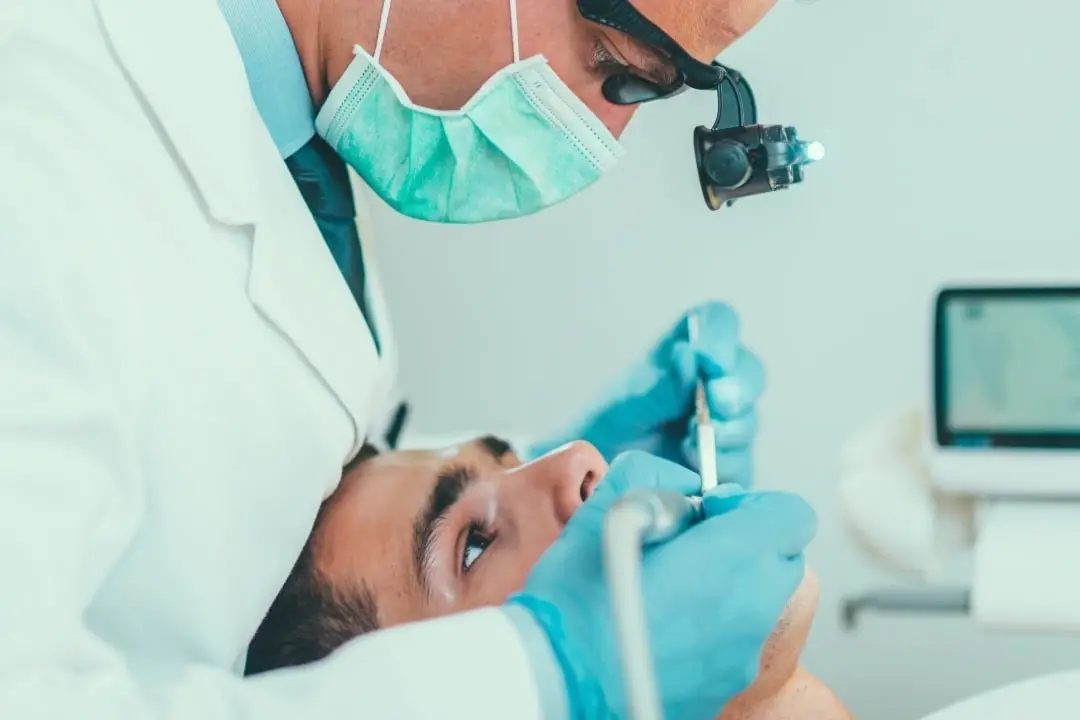
In this article, you'll find everything you need to know about root canal side effects, risks, long-term complications and most importantly, how to avoid them. But before all that, let’s take a look at how the treatment is actually done at Vivimedi.
Common side effects of root canal treatment: short-term reactions
Pain may occur after a root canal treatment
Not crazy pain, but like, “someone was poking around inside my tooth” kind of sore. Usually lasts a couple days. Over-the-counter painkillers help.
After root canal treatment, chewing might be weirdd
You might feel sensitive when you bite down for a bit. Give it a break.
Your teeth can become infected again after a root canal.
If even a tiny bit of bacteria stays inside or the filling isn’t sealed properly, you might need to go back. Not common, but it happens.
Tooth gets kind of weak after
Since the nerve is removed, the tooth’s more fragile. That’s why dentists usually recommend a crown after, kind of like armor for your tooth.
Allergic reactions? Super rare
If you’re allergic to any of the materials used (like latex), make sure your dentist knows ahead of time.
Tooth discoloration and aesthetic concerns after root canal
Your tooth might change color after a root canal. Yes, even if the pain is gone and the tooth is “fixed,” you might look in the mirror one day and think, “Wait... was that tooth always this dark?”
Here’s why it happens:
During a root canal, the nerve inside the tooth is removed. That’s great for stopping the pain, but it also means the tooth isn’t “alive” anymore. Over time, it can start to look a bit gray, yellowish, or even brownish, especially if there was trauma or bleeding inside before the procedure.
Now, is this dangerous? No.
But is it annoying? Totally, especially if it’s a front tooth.
So what can you do?
Internal whitening: Your dentist can actually whiten the tooth from the inside. (Yes, that’s a thing.)
Veneer or crown: If the color change is really bothering you, a porcelain veneer or zirconium crown can make it look brand new, like nothing ever happened.
Reinfection and maintaining long-term success
Alright, so you got the root canal, pain’s gone, life is good... but then a few months (or years) later, that same tooth starts acting up again. What gives?
Here’s the deal: sometimes a tooth can get reinfected after a root canal. It just means bacteria found a way back in. Maybe there was a tiny canal that didn’t get cleaned out fully. Or maybe the filling got loose or cracked over time. Even super tiny gaps can let bacteria sneak in.
But don’t panic, this doesn’t happen to everyone.
In fact, most root canals work perfectly fine for years, even decades, if you take care of the tooth.
So, how do you protect it?
- Get a crown (if recommended)
- Keep up with your brushing & flossing
- Don’t skip dental checkups
- Avoid chewing ice or super hard foods on that tooth
Risk of tooth fracture and structural weakness
After a root canal, your tooth is kind of like a hollow tree. Still standing, still useful, but not as tough as it used to be on the inside. The nerve, the blood flow, everything that kept it alive and flexible? Gone. So now, it’s more like a dried-out version of its old self.
Here’s what that really means for you:
It’s more fragile nowYou might not feel it, but every time you bite down (especially on something hard) there’s a tiny bit of pressure adding up. And over time? That tooth can crack. Not because the root canal went wrong, but because the structure is just weaker now.
Sometimes it breaks suddenlyAnd not always in a small way. We’re talking full-on fracture, down to the root, the kind of break that no filling can fix. In those cases, the tooth might need to be pulled. That’s the worst-case scenario, of course, but it happens.
Why does this happen more in molars?Because your back teeth do all the heavy lifting. Every bite, every chew, they take the pressure. So if the root canal was on a molar and you don’t protect it… it’s like driving a car with no shock absorbers. Eventually, something gives.
So, what’s the solution?Simple: get a crown. It’s not just about looks, it literally holds the tooth together and takes the pressure off. Think of it like a helmet for your tooth. Once it’s on, that fragile inner core is protected from everyday chewing forces.
Sinus-related issues in upper teeth root canals
If your root canal is on an upper back tooth, your sinuses might get involved.
Yes, your tooth roots and your sinus cavities are basically neighbors, sometimes even sharing a thin wall.
So, what can happen?
You might feel pressure or stuffiness
After the treatment, it can feel like a mild sinus headache, especially if the root tip is close to or poking into the sinus lining.
Small communication (sinus opening)
In rare cases, a tiny hole can form between the tooth and sinus. Sounds scary, but it usually heals on its own or with a little help from your dentist.
It’s not an infection, it just feels weird
That fullness or odd sensation when you bend over? Totally normal and usually temporary.
So, if your upper tooth root canal leaves you feeling a bit “sinus-y,” don’t panic, it’s a known thing, and your dentist can guide you through it. Just another quirk of head anatomy!
Nerve irritation and numbness risks
if your root canal is on a lower back tooth, the roots might be sitting right next to a major nerve in your jaw. Sometimes, during treatment, that nerve can get a little irritated.
You might feel a bit of tingling, numbness, or that “my lip feels weird” kind of sensation in your chin, lower lip, or tongue. In most cases, it’s just temporary, the nerve needs a bit of time to chill and heal.
But in rare cases, if the nerve was pressed too much or got too close to the action, that numbness can last longer. It’s not common, but it’s possible.
The good news? Your dentist knows all about this. So, if anything feels off after your root canal, speak up. They’ll check it out and make sure things are heading in the right direction.
Long-term complications: bone, jaw, and overall health
A root canal can save your tooth, yes. But what happens after the root canal is where the long game begins.
If everything’s cleaned properly, sealed tight, and crowned when needed, great, you’re golden. But if there’s even a tiny leftover infection, or if the seal fails years later, here’s what could go down:
The bone starts taking the hit first.
Infections love dark, quiet places, like the bone around your tooth root. Over time, that infection can slowly eat away at it. No big pain. No drama. Just slow, sneaky bone loss. You might not feel a thing until your dentist spots it on an X-ray.
Then the jaw gets dragged into it.
If the problem spreads, it doesn’t stay local. The jawbone can become inflamed, weak, or swollen and in rare cases, even cause visible swelling in the face or a sinus-like pressure. We're talking about cysts, abscesses, or even bone infections (yes, that's a real thing, osteomyelitis).
And your overall health?
If the body’s constantly fighting a hidden low-grade infection, it can quietly mess with your immune system. In people with certain conditions (like diabetes or heart issues), this low-key inflammation can be more than just a dental problem, it can affect healing, blood sugar, or heart health too.
How to reduce the side effects of root canal treatment?
Want to keep your root canal drama-free? Good, because most of the scary stuff you hear about doesn’t happen when the job’s done right and you play it smart after.
Here’s how to stack the odds in your favor:
- Choose the right dentist.
- Don’t skip the crown.
- Watch the chewing.
- Keep it squeaky clean.
- Don’t ghost your follow-ups.
- Listen to your body.
Patient evaluation and pre-treatment consultation
Before diving into a root canal, your dentist needs to play detective.
X-rays, sensitivity tests, a full dental and medical history, it’s not just routine, it’s how they spot hidden infections, nerve damage, or tricky anatomy.
This step is what separates a smooth, one-time procedure from a future headache. So don’t rush it.
Ask questions, share any health issues, and make sure the tooth really needs a root canal.
The better the prep, the better the outcome.
Root canal treatment in Antalya - Vivimedi Clinic
First, they don’t just jump into root canal treatment in Antalya. You get a full exam, digital X-rays, and a straight-up conversation about what’s going on with your tooth. If a root canal’s the right call, they tell you why, and if it’s not, they won’t push it.
Then comes the numbing. And when they numb you? You don’t feel a thing. Zero pain.
Once you’re comfortable, they clean out the infected nerve, shape the root canals, and disinfect everything with super precise tools.
Then they seal the canals tight, like locking the door on bacteria for good.
Depending on the damage, you’ll either get a filling or a crown and yep, they handle that in-house too.
Bottom line? Vivimedi Antalya does root canals the right way: clean, careful, and calm so, you walk out with a tooth that looks good, works like new, and doesn’t give you trouble down the road.
Join us for all-inclusive health transformation experience.
Everything is taken care of — including travel and accommodation — so you can focus solely on your wellness journey.